

Ear Infections in Dogs: Causes, Signs and Gentle Care
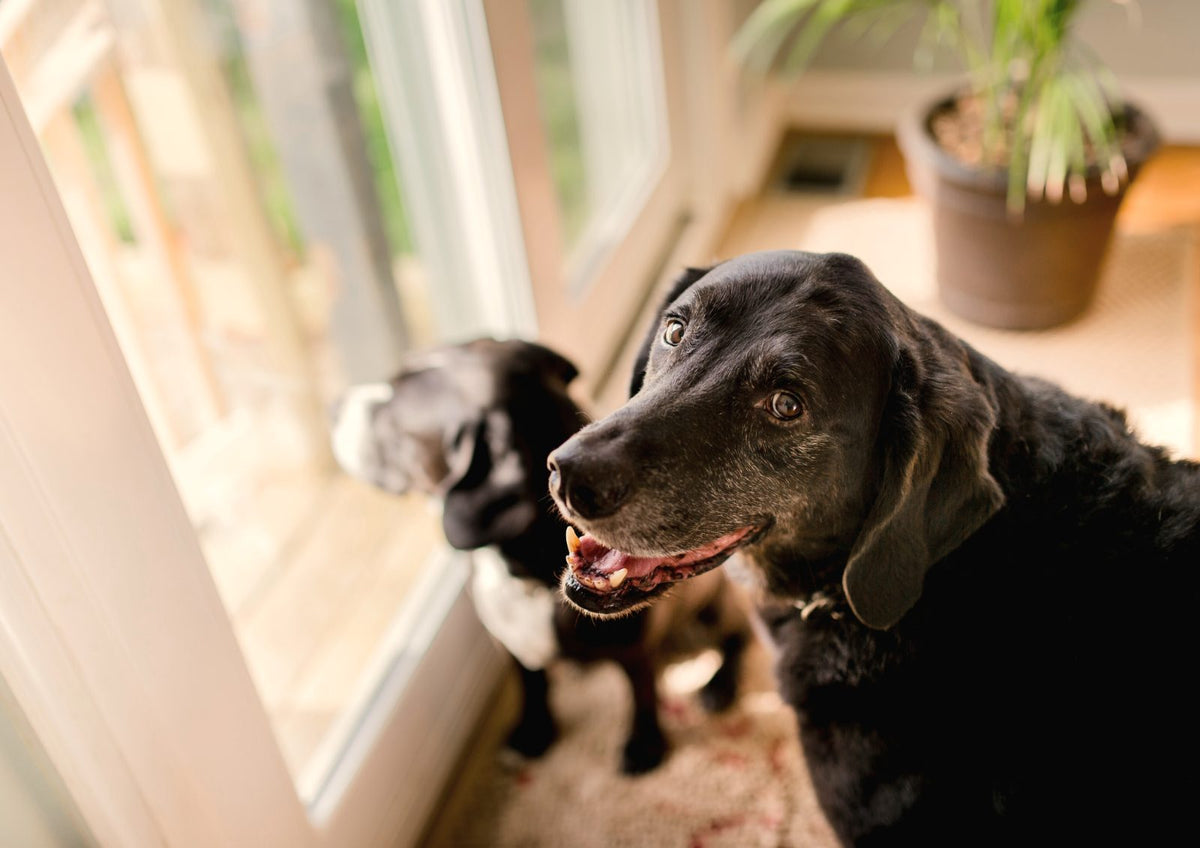
Our Lagotto Romagnolo lays his head to one side and drags himself across the carpet, chasing relief from an itch he cannot reach. His thick, curly hair and floppy ears are a perfect trap for moisture after every swim and forest walk, and Pancho's ears have flared up since the day we brought him home.
He isn't unusual. Research from the Royal Veterinary College found around 7.3% of dogs develop ear infections (otitis externa) each year, and the true number is likely higher, because many of us simply do not recognise the early signs. The short answer: sore ears usually come from trapped moisture, allergies or the shape of the ear itself, they are easy to spot once you know the signs, and a gentle weekly routine helps keep them clean between vet visits. The rest of this guide explains each part.
What exactly is an ear infection?
A dog's ear canal is longer and more flexible than ours, and shaped like an "L", dropping down before turning inward toward the eardrum. That shape means moisture, wax and debris do not drain freely, they collect at the bend, creating a warm, damp space where bacteria and yeast can thrive.
"Ear infection" actually covers three stages. Otitis externa is confined to the outer canal, painful and persistent, but much easier to settle when caught early. Left unchecked it can progress to otitis media (the middle ear) and, more seriously, otitis interna (the inner ear), which can affect balance and coordination. Catching things early keeps your options open.
Why do dogs get ear infections? The 6 main causes
- Ear shape and breedFloppy, swinging ears (Bassets, Cockers, Retrievers) trap moisture and block airflow. Basset Hounds carry nearly six times the average risk.
- Allergies, the most common culpritEnvironmental or dietary allergies make the canal lining swell, exactly the conditions bacteria and yeast thrive in.
- Yeast overgrowthMalassezia yeast lives naturally in the ear; a warm, damp, inflamed canal lets it multiply, giving that unmistakable musty, corn chip smell.
- Bacterial infectionsStaphylococcus and Pseudomonas strains produce a yellow or brown discharge with pus, and some are harder to clear than others.
- Moisture and frequent swimmingEvery swim introduces water into the L shaped canal where it lingers. Gently drying the outer ear afterwards is a simple, powerful habit.
- The older yearsAs a dog grows older the canal renews more slowly, so regular, gentle ear care matters more, not less.
How to recognise an ear infection
Dogs cannot tell you their ear hurts, but their behaviour usually makes it clear. Watch for:
Behavioural signs
- Frequent head shaking
- Scratching or rubbing ears on the floor
- Head tilting
- Yelping or pulling away when touched
Physical signs
- Dark brown, yellow or black discharge
- A musty odour (think corn chips)
- Redness or swelling
- Crusting or hair loss around the ear
See your vet promptly if you notice
Bloody discharge or pus · loss of balance or coordination · swelling that closes the canal · signs of hearing loss · or no improvement after 48 to 72 hours.
When it is one for the vet
Always see your vet for a first infection, for visible blood or pus, if your dog seems disoriented or in real pain, or if there is no improvement within 48 to 72 hours. Gentle daily care at home is appropriate for preventive cleaning in prone breeds, mild redness without pain, and ongoing maintenance between appointments.
A gentle ear care routine
For regular maintenance you want something mild enough for weekly use but effective enough to support a clean ear environment. Clean only the visible outer ear, never insert anything into the canal. Dry the ears gently after every swim or bath; removing that extra moisture is one of the simplest, most effective things you can do.
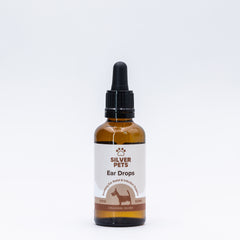
Many people fold a gentle rinse into that routine. Our Ear Drops are colloidal silver in ultrapure water, a soft rinse to help loosen wax and dirt, with the amount for your dog written on the label.
Older dogs and ear infections
As a dog grows older, the skin lining the ear canal renews more slowly, so wax builds up faster and the ear cleans itself less well. Ears that keep flaring up in an older dog are also worth mentioning to your vet, since they can point to something else going on. An older dog deserves care that suits this season of life: gentle, regular and kind.
Frequently asked questions
Will a dog ear infection go away on its own?
A single mild irritation might settle once the cause is removed. Bacterial and yeast infections rarely clear reliably on their own and tend to get worse. If unsure, check with your vet.
How long does an ear infection last?
With the right care from your vet, most straightforward infections clear within 7 to 14 days. Cases driven by allergy can persist for weeks until the root cause is found.
Can I use colloidal silver for my dog's ears?
Many people use a colloidal silver rinse as part of regular care, a gentle cleanser that helps keep the ear clean. It does not replace anything your vet has prescribed for a diagnosed infection.
What's the difference between ear mites and an infection?
Ear mites produce a dry, dark, crumbly discharge like coffee grounds; bacterial or yeast infections produce a waxy discharge with a stronger smell. A vet can confirm with a quick look.
This article is for information only and does not replace veterinary advice. If your dog shows signs of a sore ear, do let your vet take a look.
Sources: O'Neill et al. (2021), Canine Genetics and Epidemiology · Nuttall T. (2023), JAVMA · Secker et al. (2023), Microorganisms · FEDIAF Facts & Figures (2025).